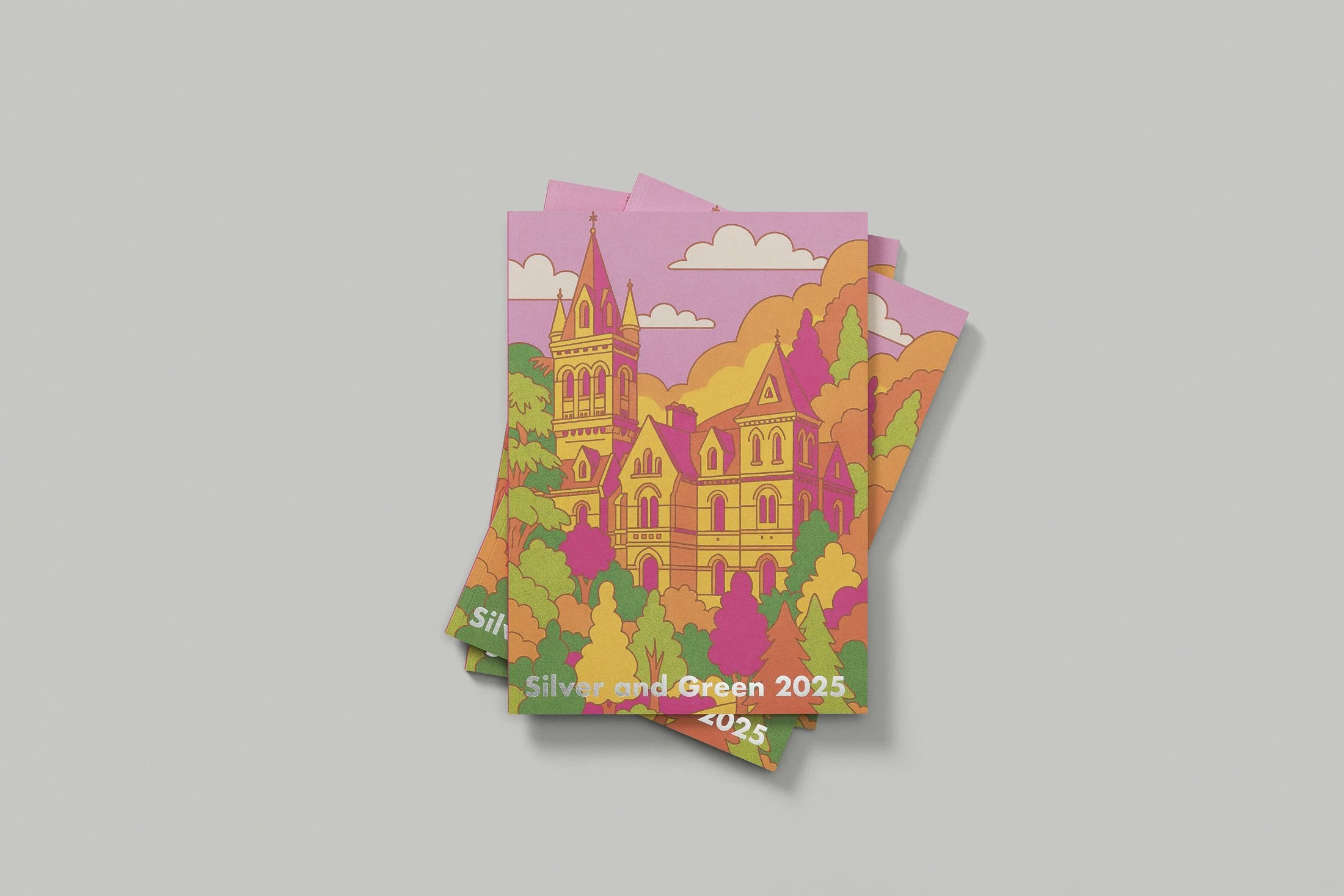
The Forever Finish: Elevating Yearbooks from Paper to Prestige
A school yearbook is perhaps the only piece of print media guaranteed to be kept for fifty years. While a standard brochure has a lifespan of weeks, a yearbook is a lifelong investment, a de facto family heirloom that will be pulled from a bookshelf at graduation parties, weddings, and eventually, fifty-year reunions.
In 2026, the challenge for school marketing teams is moving beyond the "annual record" and toward a premium brand asset. If the production quality doesn't match the institution’s prestige, the message to alumni is one of transience rather than tradition.
Here is how to ensure your next publication doesn't just record history, but survives it.
1. Tactile Authority: Soft-Touch and Linen Textures
The "unboxing" of a yearbook starts with the first touch. Moving away from standard gloss lamination in favour of soft-touch lamination or linen-textured stocks creates an immediate sense of gravity.
Soft-touch finishes provide a velvet-like feel that resists fingerprints, which is essential for a book that will be passed around among hundreds of students. Linen textures, on the other hand, offer an architectural, "library-bound" aesthetic that signals heritage and academic rigour. When a parent or alumnus picks up a book with a textured finish, the tactile feedback immediately justifies the school's premium positioning.
2. The "Trophy" Aesthetic: Specialty Embellishments
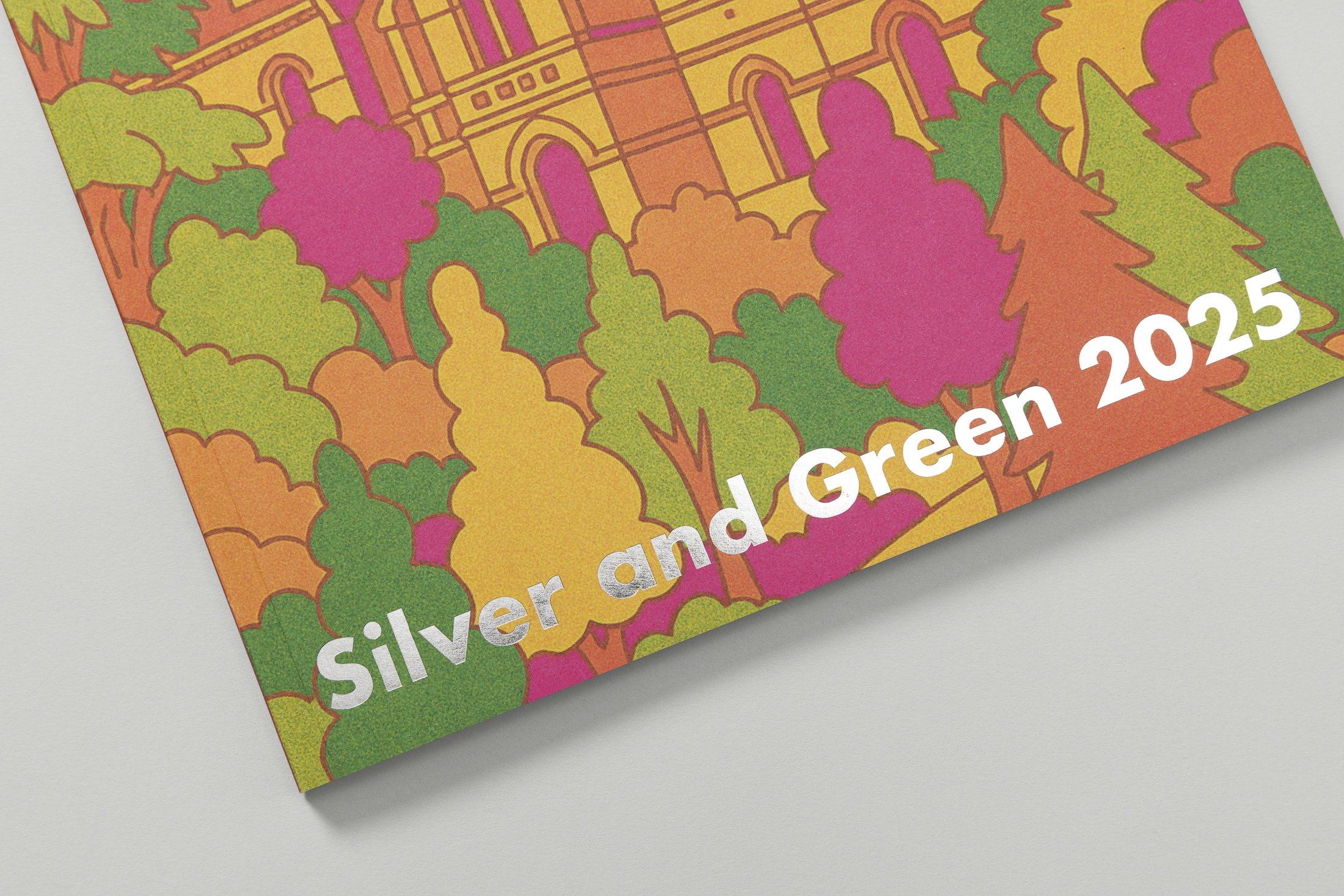
To make a yearbook truly pop, you need to utilise light and shadow. Gold or silver foiling on the school crest isn't just a decorative choice; it transforms the book into a trophy.
For a more contemporary look, Spot UV or High-Build UV can be used to add a glossy dimension to specific design elements, such as a subtle ghosted pattern of the school's motto, set against a matte background. These embellishments create a multi-sensory experience that digital screens simply cannot replicate.
3. Engineering for Longevity: Section Sewn Binding
The most common point of failure for a yearbook is the spine. Standard "Perfect Binding" (glue-only) can become brittle over decades, leading to pages being lost. For a book intended to last a lifetime, section sewing is the non-negotiable gold standard.
In this process, the pages are gathered into small booklets (signatures) and physically sewn together before being glued into the cover. This architectural approach allows the book to lie perfectly flat when opened, ideal for expansive sports team photos, and ensures that the spine remains flexible and intact for half a century or more.
A Legacy in Your Hands
At Eastern Press, we understand that we aren't just printing pages; we are constructing a school's legacy. By choosing high-end finishes and superior binding techniques, you ensure that the "Class of 2026" remains as vibrant and intact in 2076 as it is today.