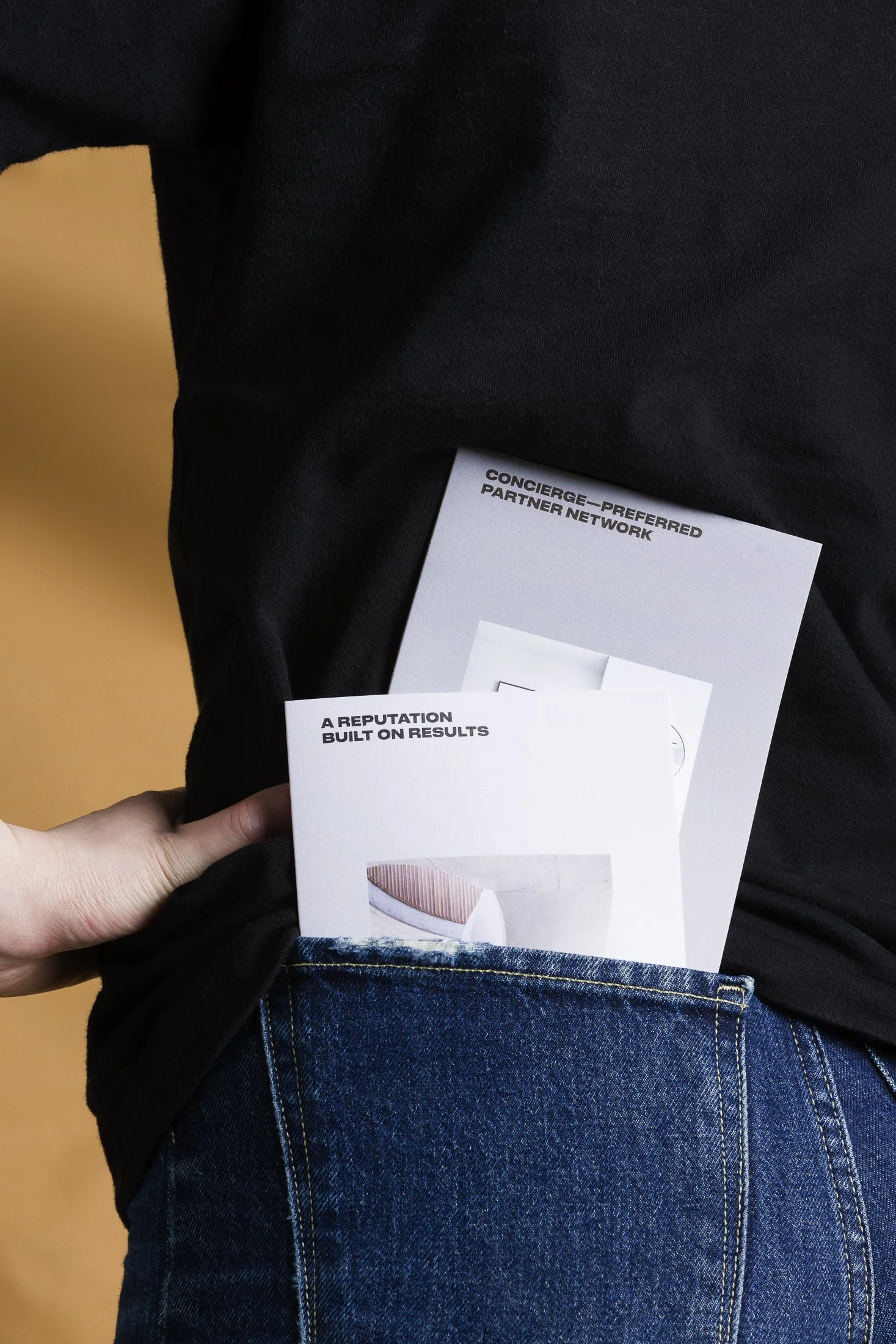
The Feel of Value: Using Paper Weight to Justify a Premium Price
Imagine you are shopping for a luxury watch. You pick up two different models that look almost identical. One feels light and hollow; the other has a satisfying, solid weight in your hand. Even before you look at the price tag, your brain has already decided which one is the premium product.
In the world of commercial printing, this is known as the Haptic Effect. Our sense of touch is hardwired to associate physical weight with quality, durability, and trust. If your business charges a premium price for its services, your marketing materials must match that expectation. If your price is heavy, your paper shouldn't be light.
The Subconscious Handshake
For many clients, your brochure, business card, or proposal is their first physical interaction with your brand. It is a subconscious handshake.
If you hand a prospect a flimsy, thin business card, you are sending a subtle message that your business might be transient or budget-focused. Conversely, a thick, high-quality card suggests stability and attention to detail. In a competitive pitch, the \weight of your presentation folder can help justify your higher fee before you even begin.
Why "Thin" is Expensive
Many businesses try to save money by choosing thinner paper stocks, thinking it’s a simple way to cut costs. However, in the long run, cheap print can be very expensive for your brand reputation.
The Trust Gap: If you are selling a high-value service, like legal advice, luxury real estate, or specialised consulting, a thin, translucent brochure creates a trust gap. The customer sees a professional brand, but their hands feel low-budget. This confusion often leads the client to say “no”.
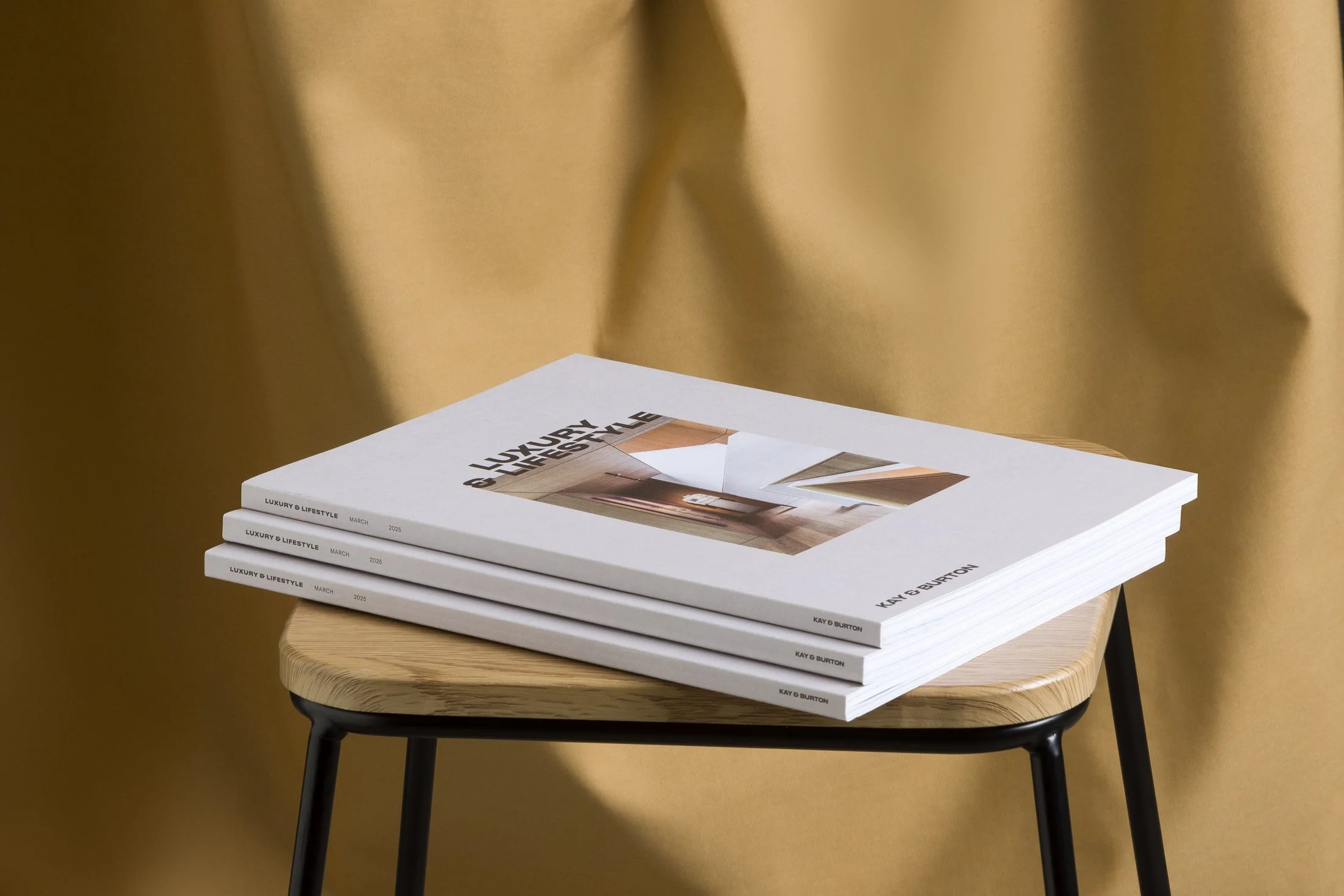
The "Bin" Factor: High-weight paper is harder to throw away. A thick, textured invitation or a heavy-duty corporate profile feels like an object rather than mail. People tend to keep premium print on their desks for longer, giving you more opportunities to make an impression.
Where Weight Matters Most
You don't need to use the heaviest paper for every single internal memo, but there are three areas where weight is a strategic necessity:
Business Cards: This is your brand's most frequent physical touchpoint. Moving from a standard card to a double-thick or triple-layer card is the fastest way to signal that you are a leader in your field.
Sales Proposals: When you are asking a client to invest a significant amount of money, the document that contains your price should feel substantial. A bound, heavy-weight proposal suggests that your solution is as solid as the paper it’s printed on.
Direct Mail Invitations: If you want someone to attend an exclusive event, the invitation must feel exclusive. A heavy cardstock with a unique texture ensures your event is seen as a must-attend rather than just another notification.
The Bottom Line
At Eastern Press, we believe that print is a sensory experience. If you want your customers to perceive your brand as a premium choice, you have to give them something they can feel.
By choosing the right weight and substance for your marketing, you aren't just printing a document; you are building a foundation of trust. Don't let a flimsy piece of paper stand between you and your next high-value client.